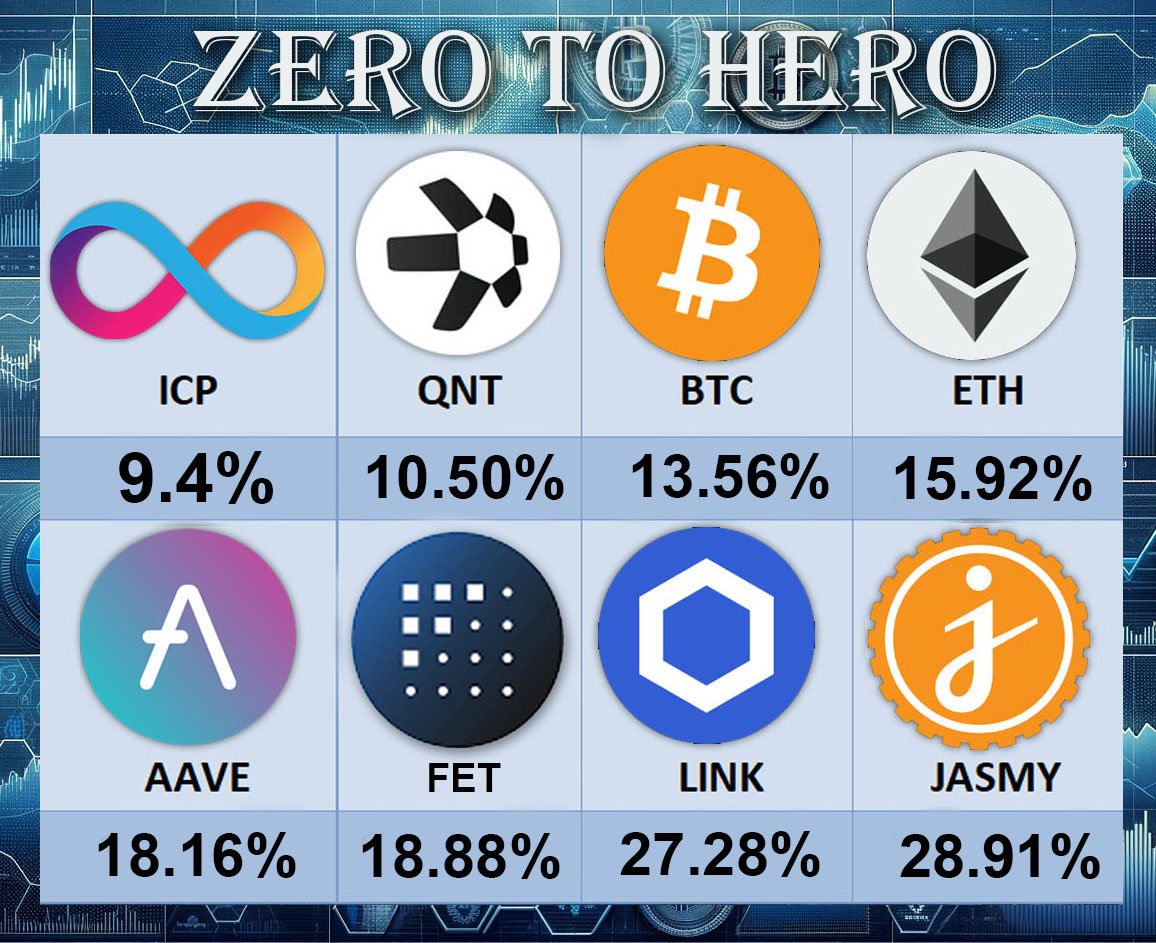
In today’s edition of the ICP Roundup, we delve into the tokenomics of ICP, focusing on its exchange supply. Notably, ICP is currently more scarce on exchanges compared to Bitcoin (BTC) and Ethereum (ETH).
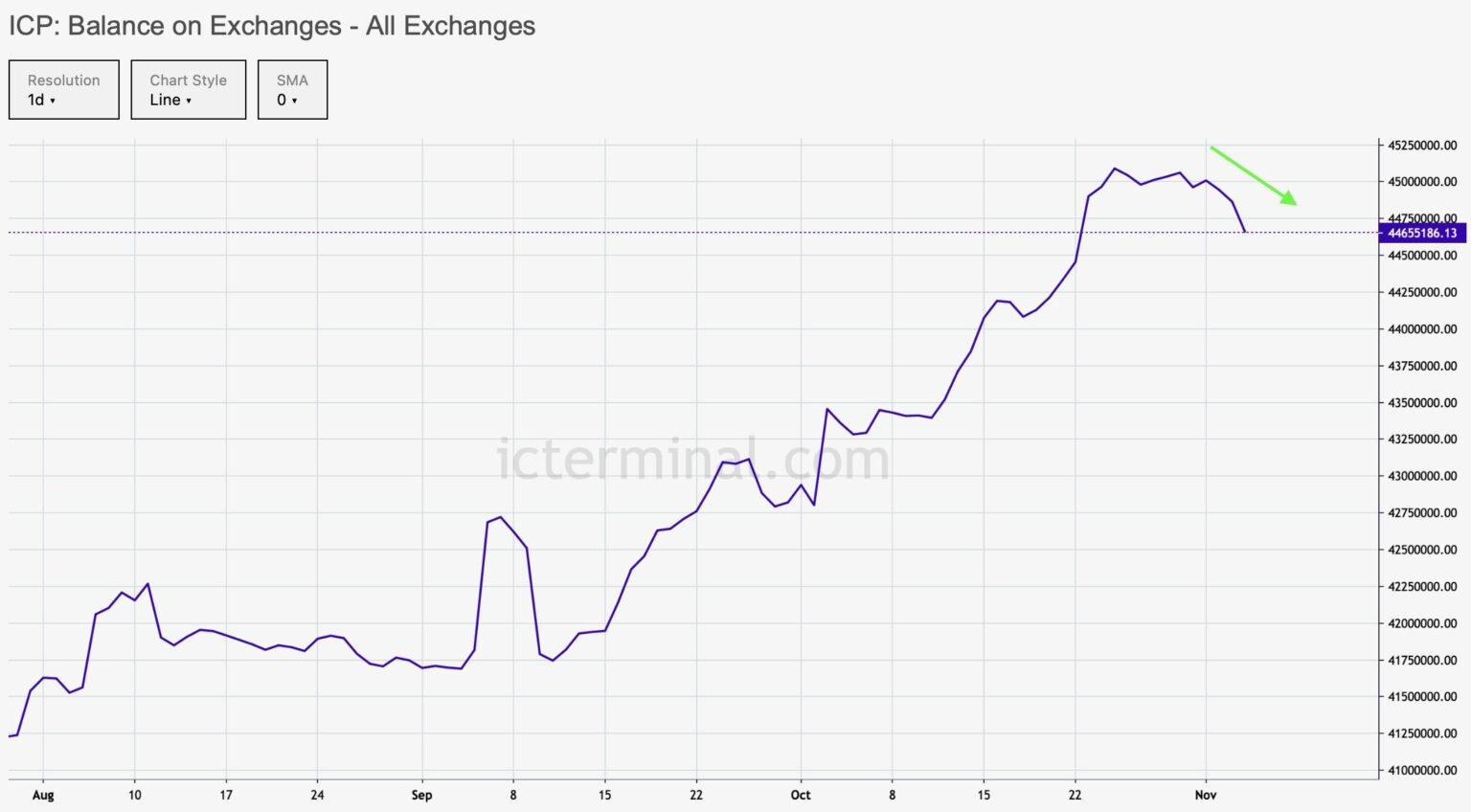
The recent decline in ICP’s exchange supply suggests increased accumulation by investors, potentially indicating renewed buying interest at current price levels. This trend aligns with the broader cryptocurrency market, where reduced exchange balances often signal a shift towards long-term holding strategies. Such behavior can lead to decreased selling pressure, potentially contributing to price stability or appreciation. Monitoring these supply dynamics is crucial for understanding market sentiment
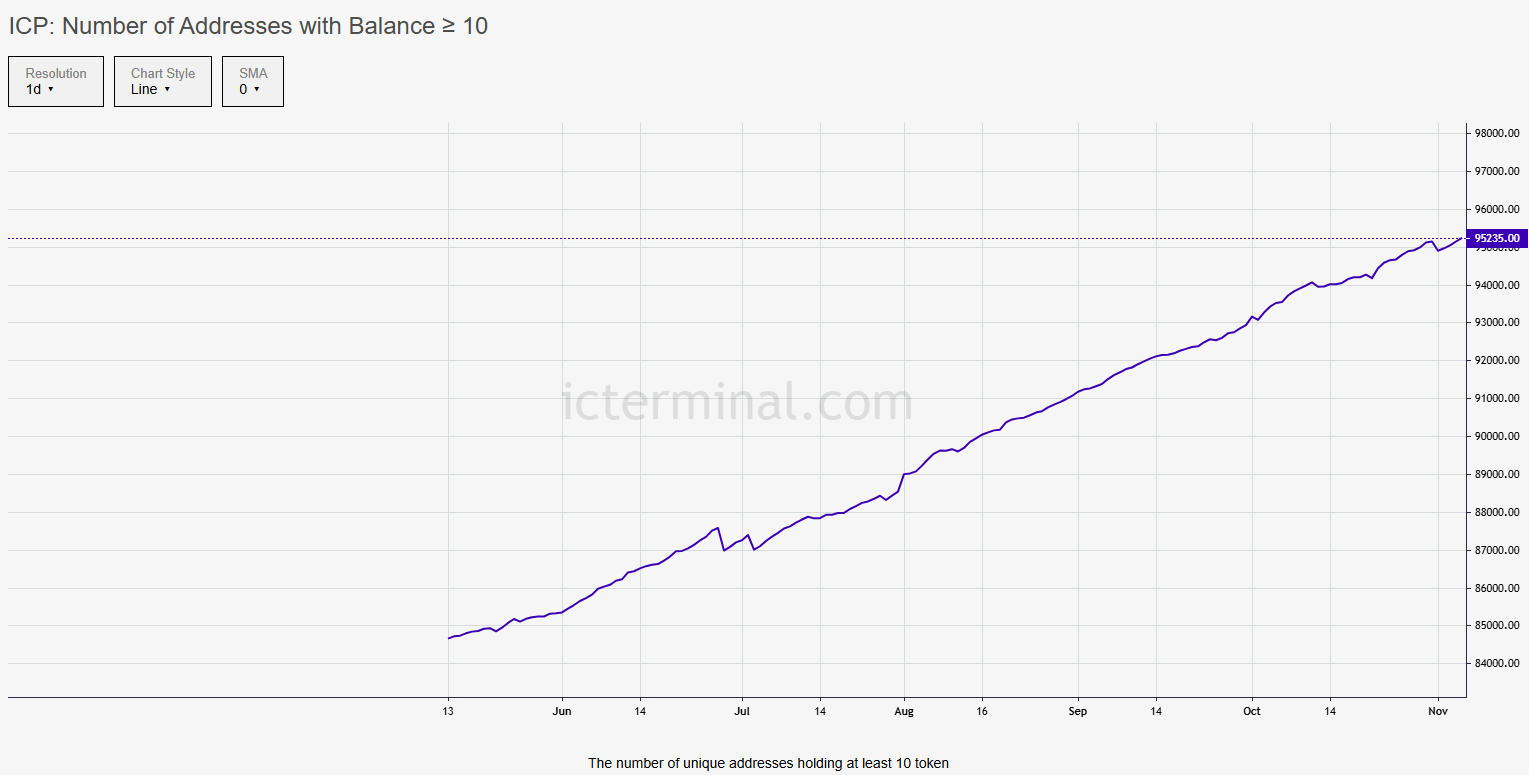
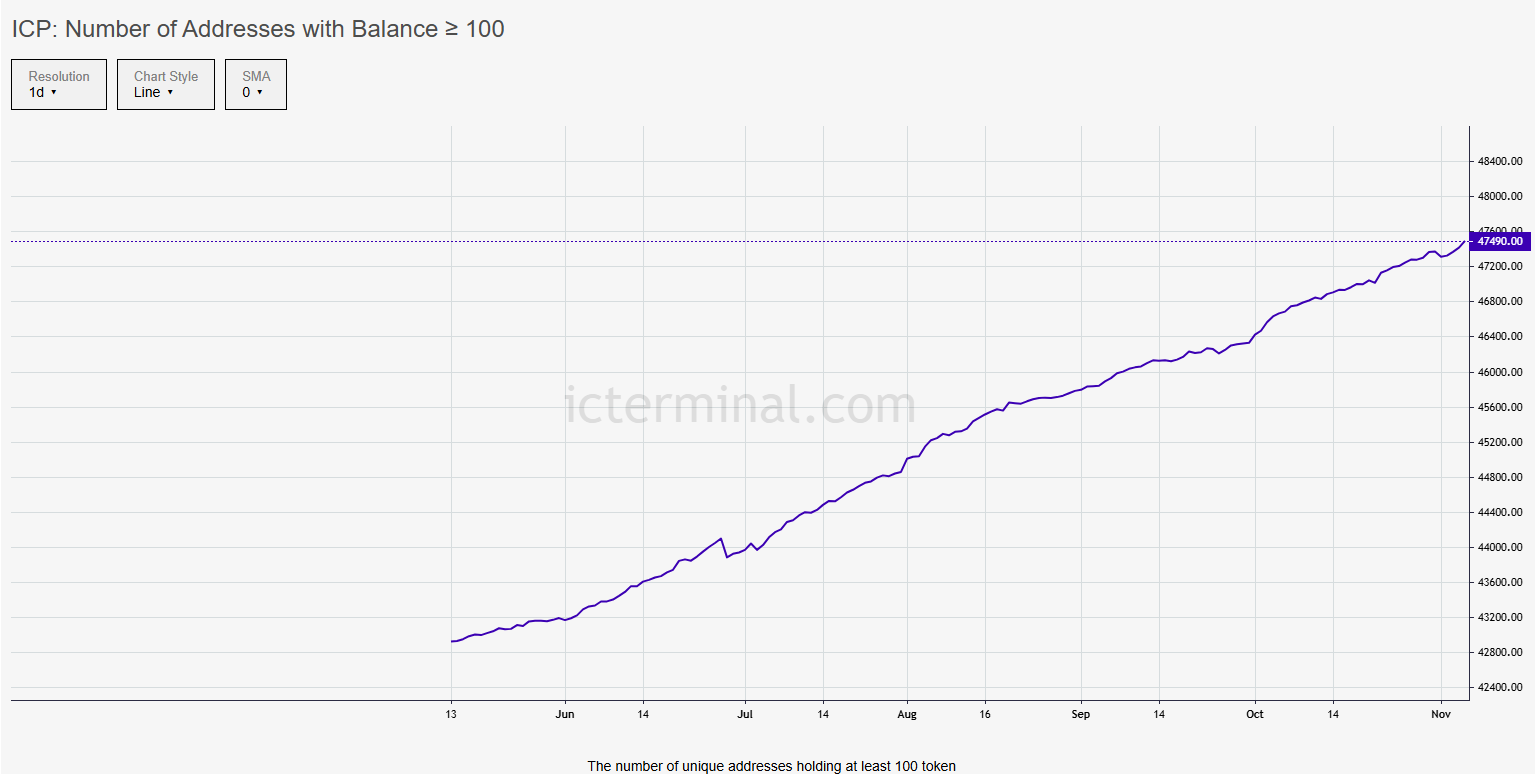
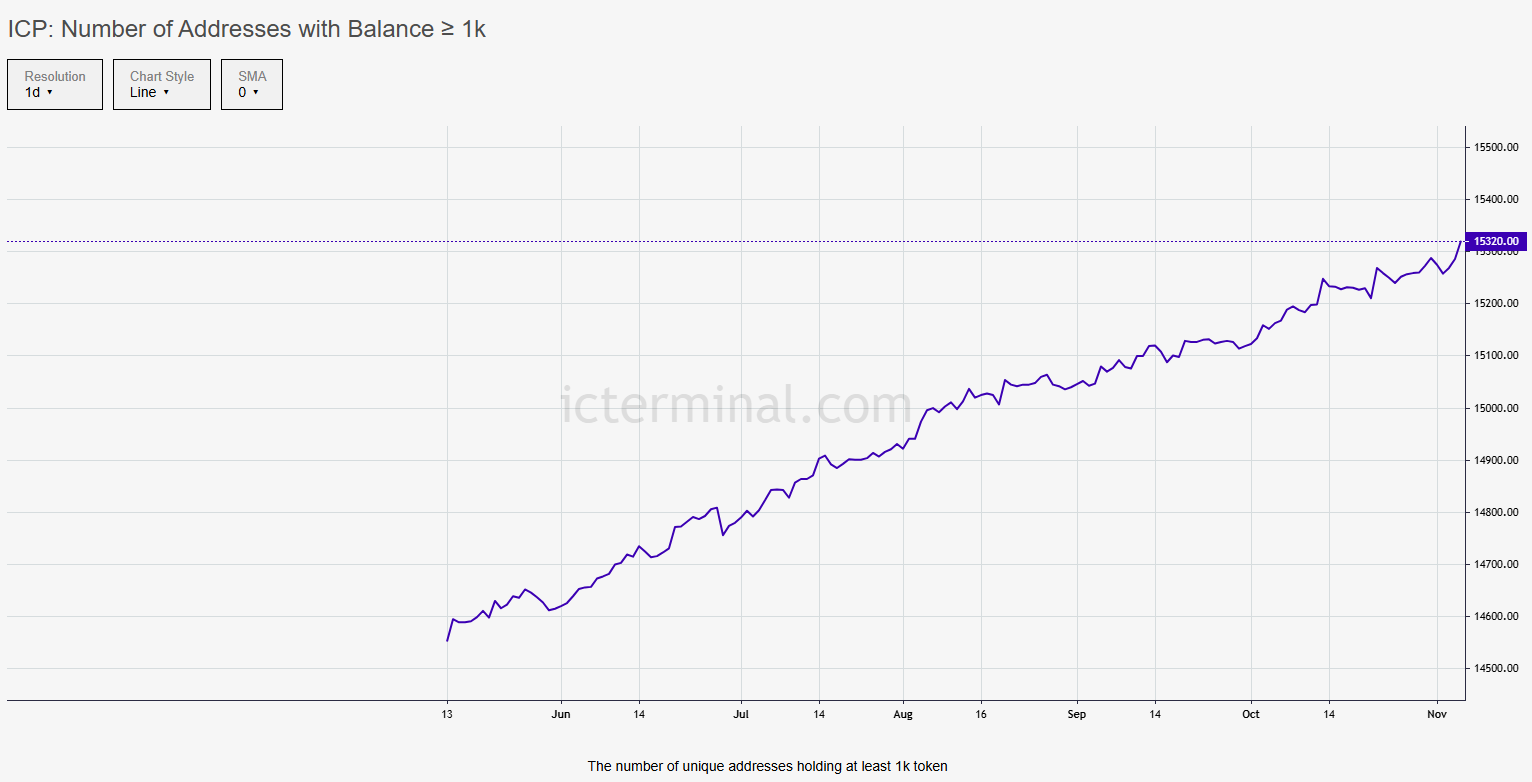
The number of meaningful wallets, specifically those with at least 10, 100, and 1,000 ICP, has reached an all-time high. This trend indicates growing confidence among investors and suggests increased accumulation of ICP tokens.
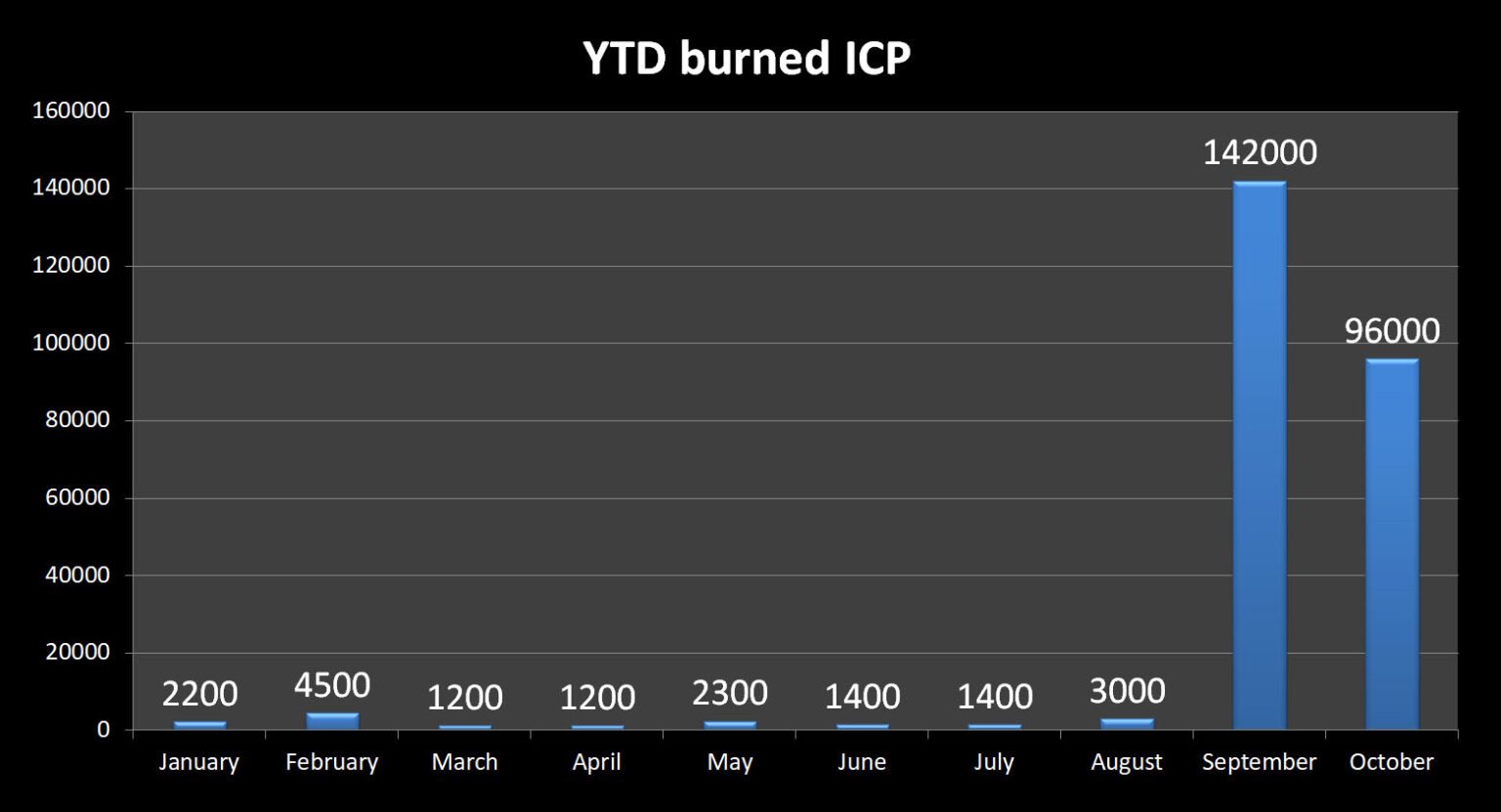
The decreasing availability of ICP tokens on exchanges, combined with its potential deflationary mechanisms, positions ICP as an increasingly attractive asset. Over the past two months, a record amount of ICP has been burned, indicating heightened network usage, developer activity, and overall growth
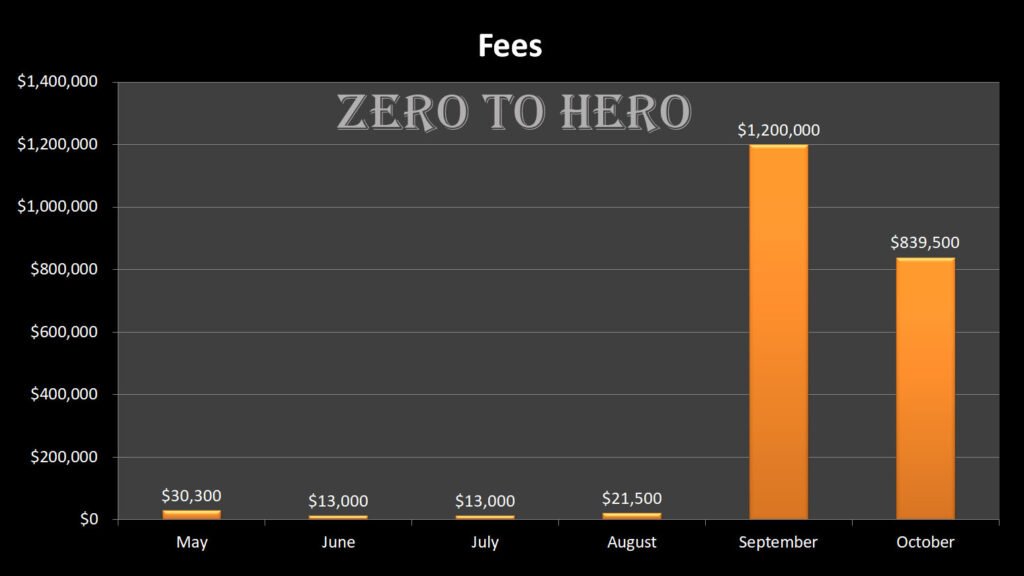
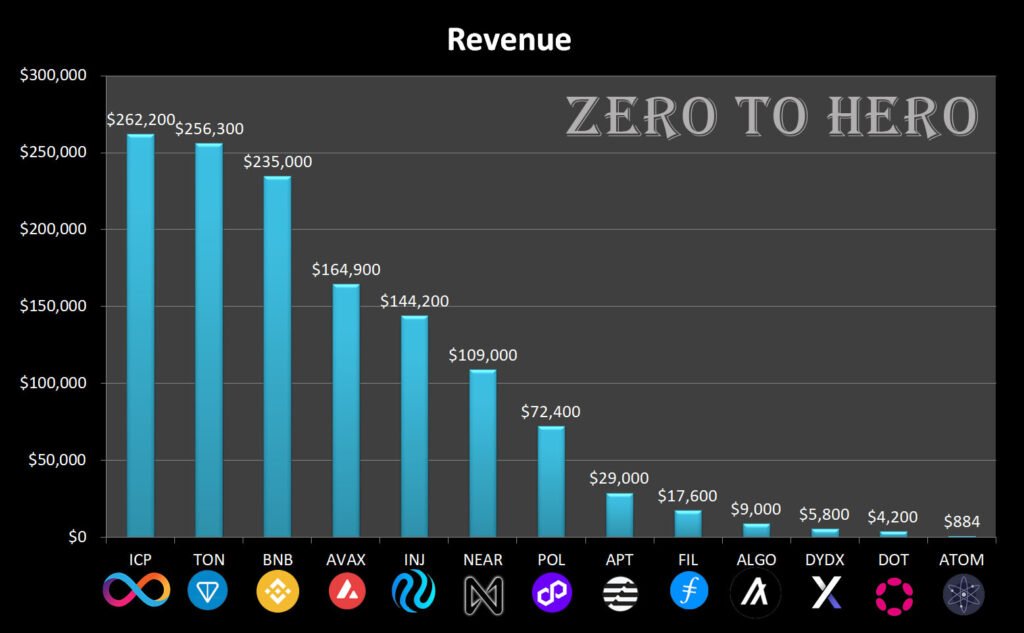
The increased Cycle burn rate has led to higher revenue and generated fees, reflecting growing activity and demand within the network.
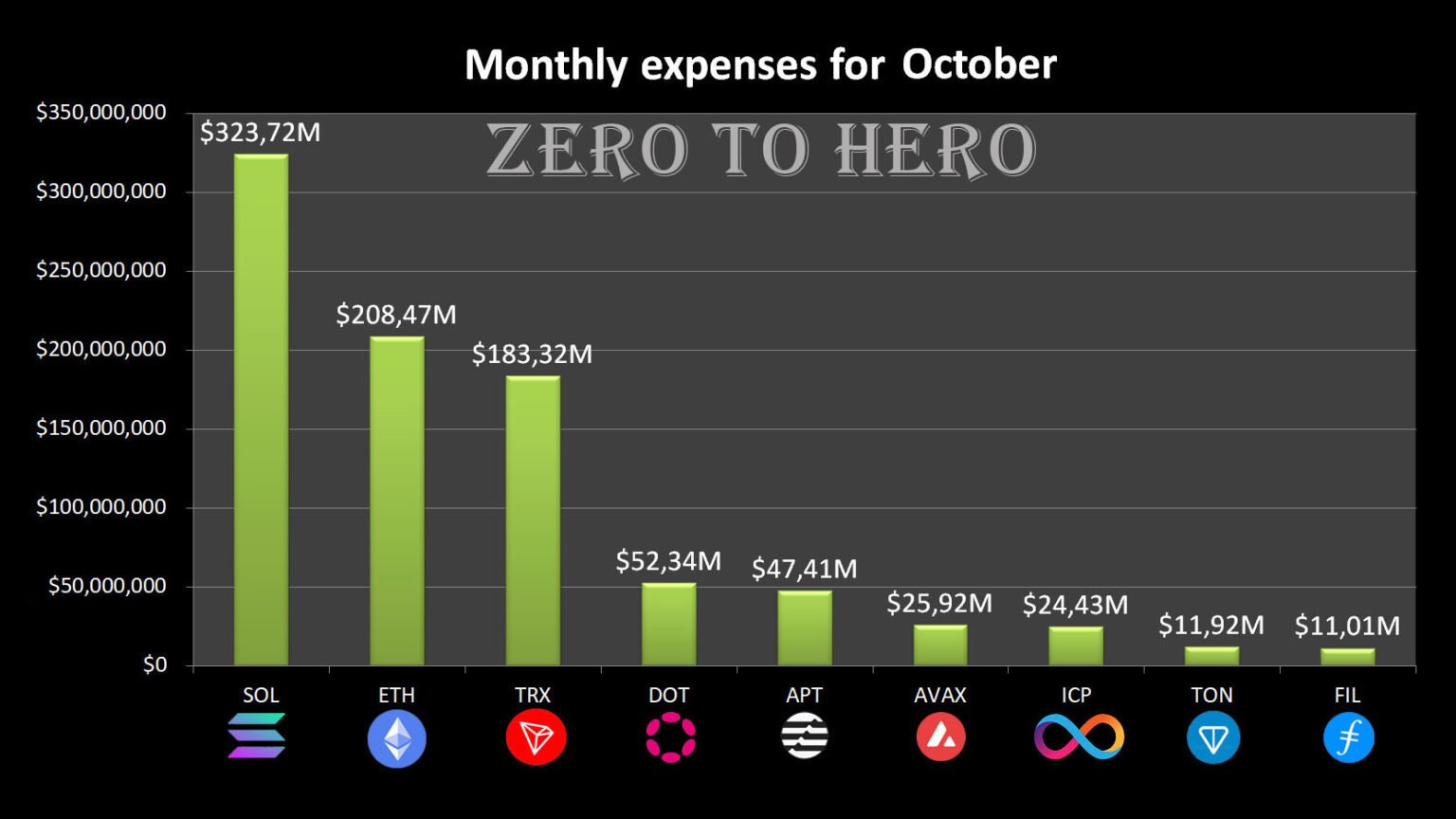
Moreover, ICP’s quarterly expenses have steadily decreased since the beginning of the year. In Q2 of 2024, expenses totaled $109.88 million, dropping to $73.15 million in Q3. Currently, in Q4, ICP has incurred $27.66 million in expenses, indicating a promising trajectory toward long-term sustainability.
The table down below highlights the Monthly expenses (month of October) for various L1 Blockchains:
Considering that ICP’s revenue is rising while expenses are decreasing, it becomes evident that the project is moving toward greater sustainability over time.
Now, let’s proceed with a comprehensive analysis of ICP’s tokenomics.
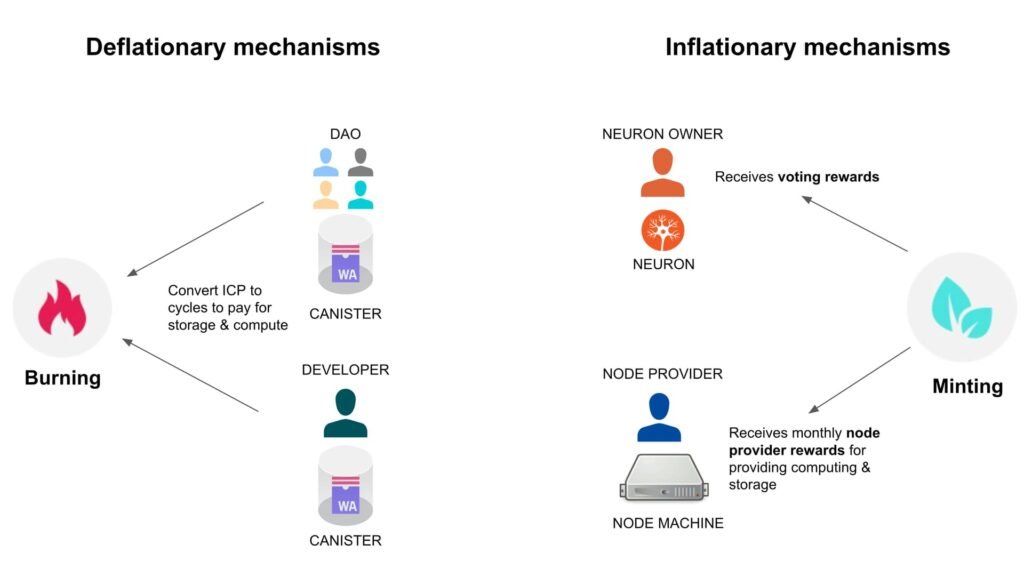
ICP has two inflationary mechanisms and two deflationary mechanisms. Inflation is achieved via (1) governance rewards, which grant neuron maturity to investors who vote on network proposals that can be used to mint new ICP, and via (2) node rewards, which immediately mint new ICP to pay network infrastructure providers. Meanwhile, deflation is achieved by (1) converting ICP into cycles to burn to run software canisters, and by (2) the act of staking ICP, which can take coins out of circulation for many years.
INFLATION:
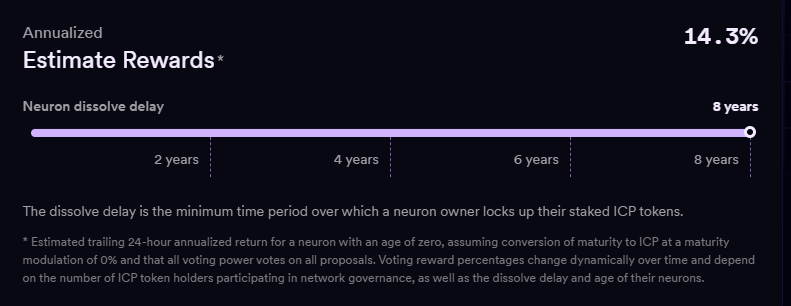
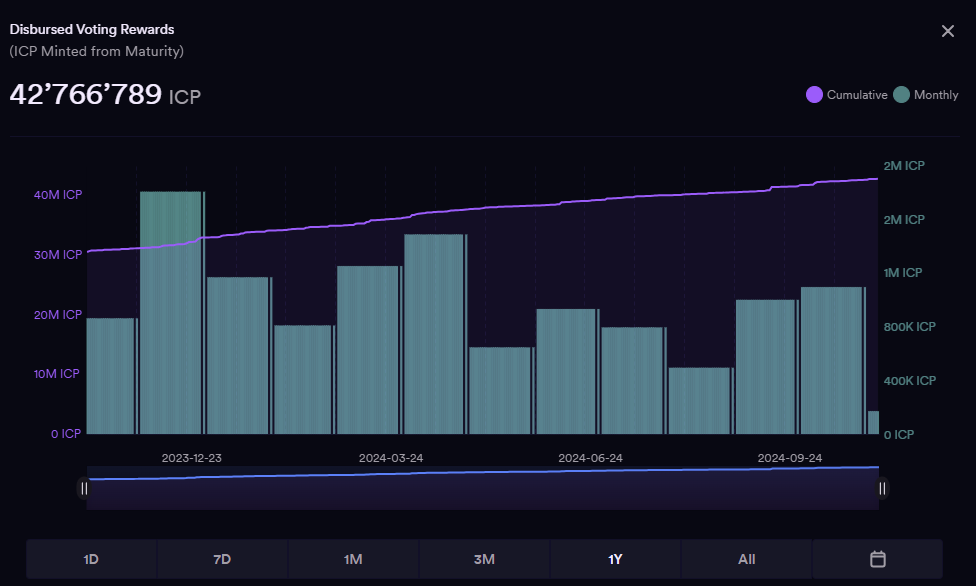
1) Voting Rewards: Voting rewards are calculated based on a descending curve that’s applied to total ICP supply, then distributed proportionately with each network proposal across all voting neurons based on proposal type, principal amount, age, and dissolve delay.
You may check the estimated annual rewards on the ICP Dashboard:
As illustrated in the image below, 1.093 million ICP was distributed as voting rewards last month.
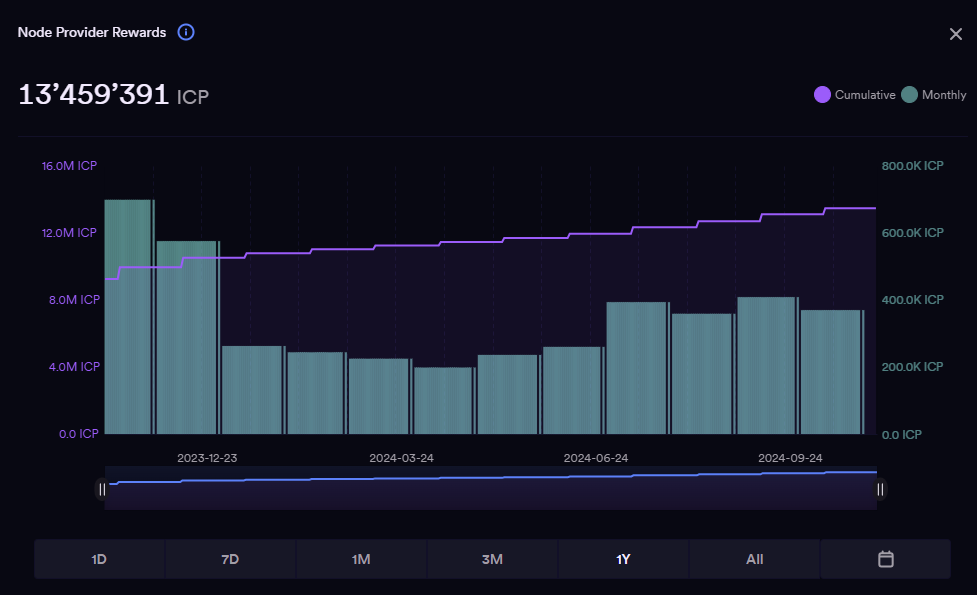
2) Node Rewards are determined for each individual node controlled by a node provider. Rewards are technically specified in XDR . XDR rewards are converted into ICP based on the average exchange rate over the last 30 days before payout.
As illustrated in the image below, 369K ICP was distributed to Node Providers last month.
DEFLATION:
1)Canister owners burn ICP tokens to effectively purchase cycles. Cycles are not a currency; instead, cycles represent the real world cost of operating the network. Canister owners load their canisters with cycles to pay a toll to the network in exchange for being hosted.
Once ICP gets converted into cycles, it’s gone. Once cycles are spent to run canisters, they’re gone. In theory, over time, this deflation mechanism will increase the price of ICP by decreasing supply, assuming, of course, that demand remains constant or increases.
2) Staking: In order to vote on network nervous system (NNS) proposals to determine Internet Computer policy and shape the network as it develops, people have to set aside a certain amount of ICP to lock inside what’s called a neuron for at least six months. The longer the lock period and the greater the neuron’s age, the more weight gets assigned to the neuron owner’s votes. ICP that’s locked inside neurons can’t be used for trading or obtaining cycles.
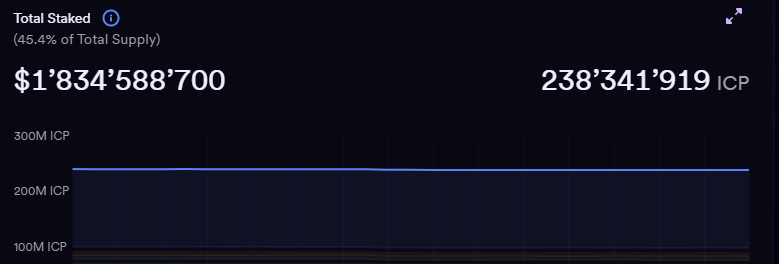
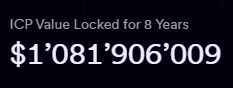
Currently, 238.3 million ICP, valued at over $1.8 billion and representing 49.44% of the circulating supply, is locked. Of this, 140.65 million ICP, worth approximately $1.08 billion and accounting for 29.67% of the circulating supply, is locked for an 8-year period. These tokens are not available for sale on the open market.
At what point could ICP achieve a deflationary state?
According to Dominic Williams, ICP has experienced a remarkable 500% year-over-year growth in computational activity, underscoring its rapid adoption and scalability.
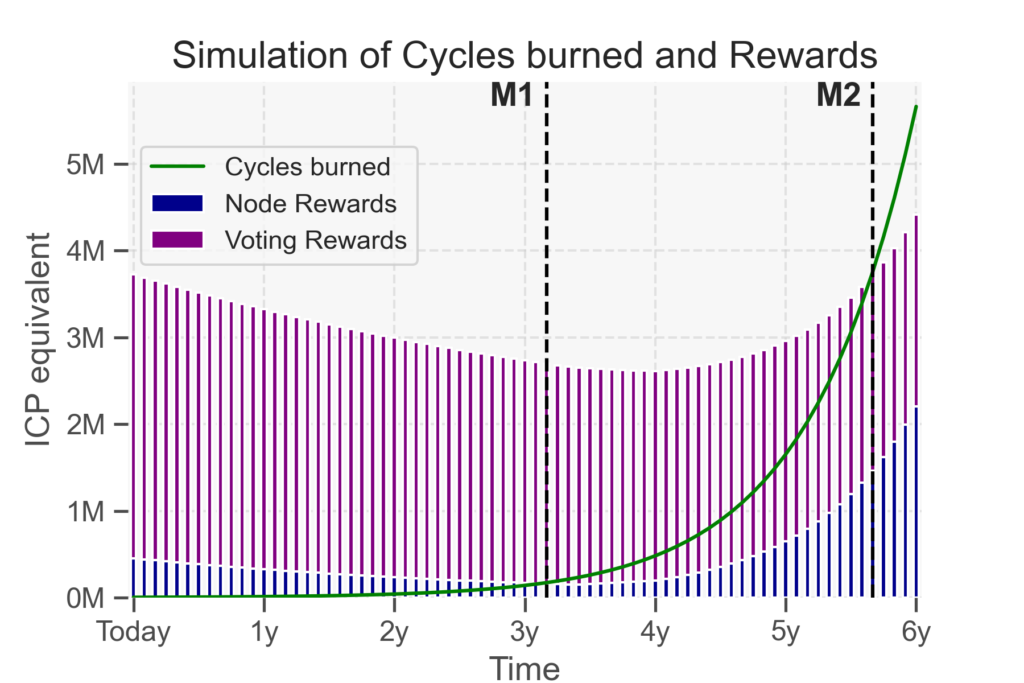
According to the projections of the DFINITY foundation, Deflation could be achieved in 5 years.
The graph below illustrates the simulated development of voting rewards, node provider rewards, and cycles burned, all converted to ICP.
According to the above mentioned projection, In a little over two years, the amount of cycles burned (indicated by the green line) is projected to surpass node provider rewards (represented by the dark blue bars).
In five to six years, the amount of cycles burned is projected to surpass the combined sum of node provider rewards and voting rewards (green line surpassing the sum of the blue and purple bars).
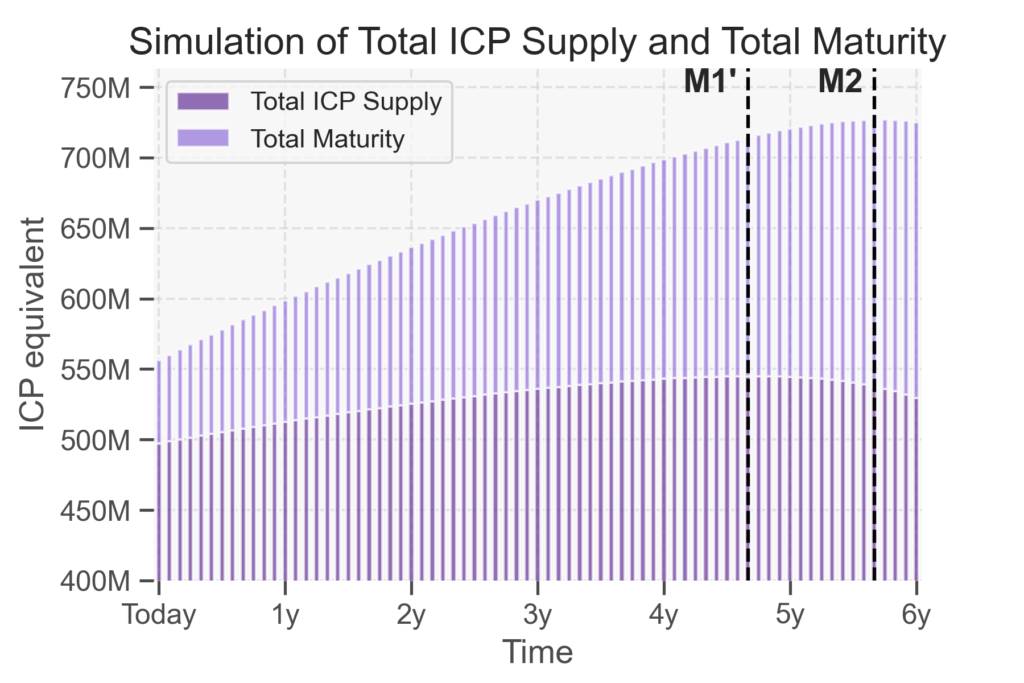
The following graph illustrates the progression of the total supply of ICP and total maturity.
The graph indicates that the total supply of ICP reaches its maximum after a little over four years, and subsequently decreases. After five to six years, the combined sum of the total supply of ICP and total maturity reaches its peak and then declines. This milestone is represented by the vertical line M2, which aligns with the point in time when the amount of cycles burned is projected to surpass the combined sum of node provider rewards and voting rewards, as depicted in the previous graph.
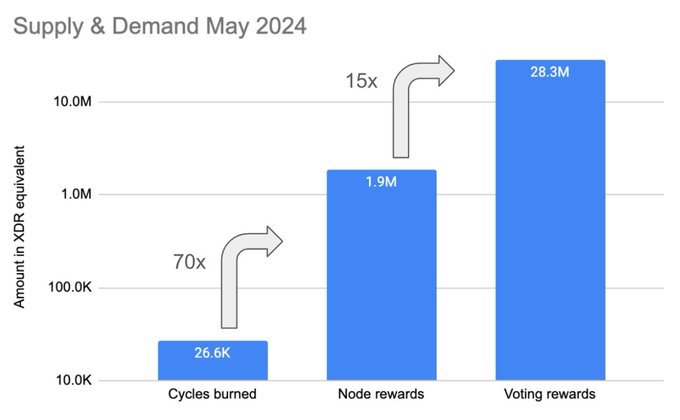
Thirteen months ago, the DFINITY Foundation projected a timeline for ICP to achieve a deflationary state. As illustrated in the graph below, in May 2024, ICP was over 1,050 times away from reaching deflation. By October 2024, this gap has narrowed to approximately 15 times, indicating significant progress toward a deflationary state. These results demonstrate that ICP is currently exceeding the DFINITY Foundation’s expectations and is on track to become deflationary in the future.
Based on the provided information, the inflation rates for ICP are as follows:
Real Inflation Rate (based on minted supply): +3.36%
Leave a Reply